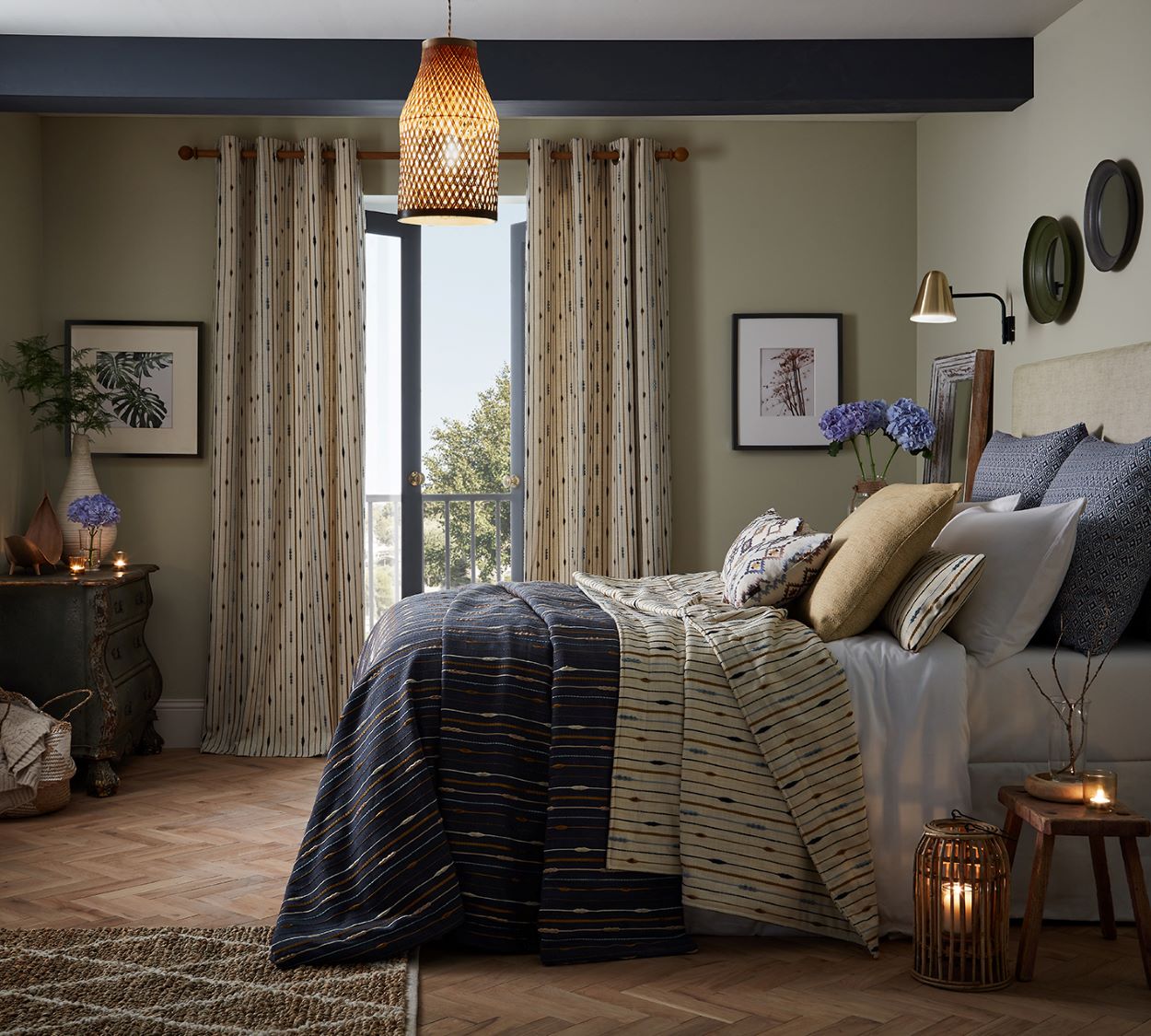
In a world that feels increasingly chaotic, the importance of quality sleep has never been clearer. But more than just slipping under the covers for eight hours, today’s wellness-savvy homeowners are designing their bedrooms to function as full-blown sleep sanctuaries – tranquil, sensory-rich spaces optimised for deep rest and mental restoration. This movement isn’t just about aesthetics; it’s a blend of science, self-care and style.
The sleep sanctuary trend stems from a growing awareness of sleep’s critical role in overall health. With studies linking sleep to everything from immune function to emotional regulation and cognitive performance, many people are rethinking how their environments support rest. At the same time, design philosophies such as biophilic design, minimalism, and Japandi style (a fusion of Japanese and Scandinavian design principles) have gained traction. These movements all share an emphasis on calm, simplicity and intentional living; ideals that translate beautifully into the sleep-focused space.
Creating a sleep sanctuary means curating every aspect of your bedroom environment to promote relaxation and better sleep. Choose a soothing colour palette – neutral tones, soft pastels, and nature-inspired hues. Moss green, stone grey and muted terracotta typically dominate. These colours reduce visual stimulation and create a calming atmosphere. Avoid bright, saturated colours and harsh contrasts, these can interfere with the body’s ability to unwind.
Proper lighting is the cornerstone of a sleep-positive space. Swap harsh overhead lights for dimmable, warm-toned lamps or smart bulbs that mimic natural light cycles. Install blackout curtains or blinds to block out external light and consider motion-activated low-level night lights for middle-of-the-night navigation.

From bedding to rugs, natural fabrics like organic cotton, linen, bamboo and wool are key. These materials are breathable, non-toxic, and help regulate body temperature, which is crucial for restful sleep. A sleep sanctuary should feel like a retreat from the outside world. That means removing unnecessary furniture and minimising visual clutter. Invest in closed storage solutions and keep surfaces clear to reduce mental distraction.
Scent and sound can significantly influence how easily you fall (and stay) asleep. Essential oil diffusers with calming scents like lavender, chamomile, or sandalwood are increasingly found on modern bedside tables. Sleep apps offering white noise, nature sounds, or guided meditations can also create a sensory cocoon.
To truly rest, the brain needs a break from screens. Banish TVs, laptops, and smartphones from the bedroom altogether or at least designate a charging station away from the bed to reduce blue light exposure and digital temptation. Sleep sanctuaries are part of the broader “slow living” and “home as retreat” movements, which gained popularity during the pandemic and have continued as people prioritise health, sustainability, and mental wellbeing in their daily lives.
A sleep sanctuary isn’t about perfection or luxury; it’s about intention. It’s the conscious design of a space that supports your body’s natural rhythms and your mind’s need for stillness. As we continue to embrace wellness as a lifestyle, this trend is likely to evolve, but its core message will remain the same – good sleep starts with good design. Whether you’re revamping your whole bedroom or just swapping out your lightbulbs and bedsheets, embracing the sleep
sanctuary trend can turn your nighttime space into more than just a place to sleep. It can become a personal haven for healing, rest, and renewal.